
Slots, Poker, and the Real Math Behind iGaming Wins
Most people who lose money in iGaming don't lose it because they picked the wrong game. They lose it because nobody ever explained how the math actually works. The slot reels spin, the poker cards flip, the odds shift — and underneath all of it sits a few brutal, beautiful numbers that decide everything. Once you understand those numbers, you stop being a tourist and start playing like someone who knows exactly what they're paying for.
This isn't a piece about "beat the casino" tricks. There aren't any. What follows is a practical breakdown of what's really happening when you deposit, spin, bet, or raise — and how to make smarter decisions within a system that is, by design, tilted toward the house.
The House Edge Is Not a Scam — It's the Price of Admission
Every casino game has a built-in advantage for the operator. That's not sinister; it's the business model. The question is how big that edge is, because the difference between 1% and 8% compounds fast across hundreds of bets.
- Blackjack (basic strategy): roughly 0.5% house edge — one of the best bets in the building.
- Baccarat (banker bet): about 1.06%, and the player bet sits near 1.24%.
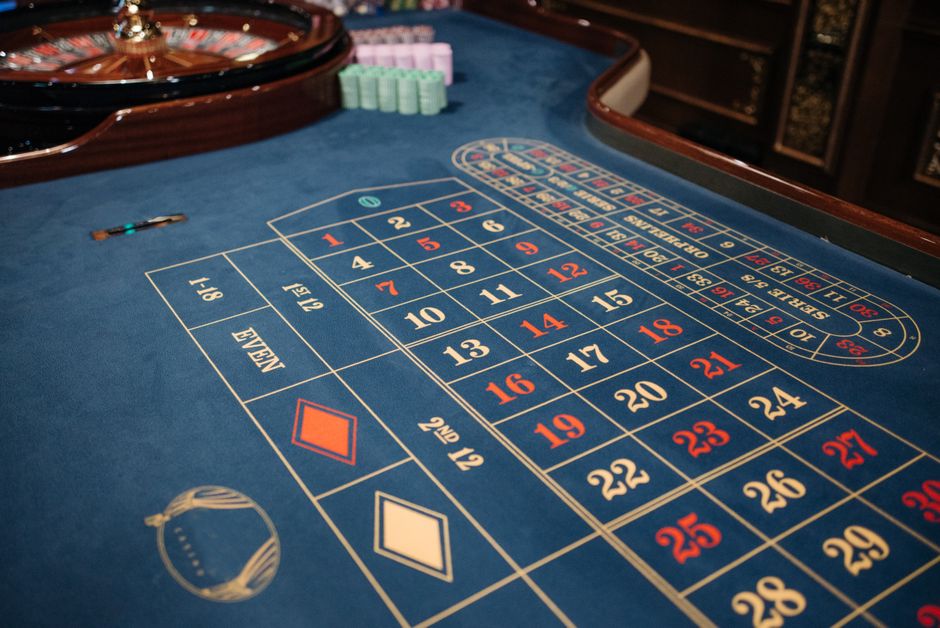
- European roulette: 2.7% because of the single zero.
- American roulette: 5.26% — the double zero nearly doubles your cost.
- Typical video slots: 2% to 10%, with most modern online titles landing between 3% and 6% once you factor in RTP.
- Keno and big-jackpot lottery-style games: often 25% or worse.
If you're going to spend an evening gambling, understanding this single table is more valuable than any "hot streak" theory. You can't beat the edge, but you can choose where it hurts least.
RTP, Volatility, and Why Two Slots Feel Completely Different
Return to Player, or RTP, is the percentage of all wagered money a slot pays back over millions of spins. A 96% RTP slot returns $96 for every $100 wagered — on average, over an enormous sample. That's the key caveat. In a single 200-spin session, variance can swallow you whole regardless of RTP.
Which is where volatility comes in:
- Low volatility: frequent small wins, gentler bankroll swings. Think classic fruit machines and many 3-reel titles.
- Medium volatility: the balanced middle ground — most modern video slots sit here.
- High volatility: rare but large payouts. Games like Book of Dead or Money Train can eat 300 spins before a feature triggers.
Here's the practical takeaway: a high-volatility slot with 96.5% RTP isn't "better" than a low-volatility slot with 95% RTP. They're different tools. If your bankroll is $50, high volatility will likely bust you before bonus rounds ever fire. If your bankroll is $500, that same game gives you a real shot at a 500x hit. If this is new to you, L'Avenue Dubai is a sensible next read.
Also worth knowing: online slots almost always beat land-based machines on RTP. Physical casino slots in many jurisdictions are set as low as 85–90% because operators set their own hold percentages. If you're comparing the two, the online version usually wins.
Poker Is a Skill Game Wearing a Gambling Costume
This is the crucial distinction most casual players miss. In slots, roulette, and baccarat, every bet has a fixed, negative expected value. In poker, you play against other humans, not the house. The rake takes a cut, but the money at the table moves from weaker players to stronger ones.
That means poker is one of the only games in the building where a skilled player can be profitable long-term. It also means the learning curve is real and the losses during that curve can be painful. A few things genuinely separate winning players from losing ones:
- Position awareness. Acting last gives you more information, and information is money. Playing too many hands from early position is the single most common beginner leak.
- Bankroll management. Serious cash-game players keep 20–30 buy-ins for their stake. Tournament players often want 50–100 buy-ins because variance is brutal.
- Range thinking. Amateurs guess at specific hands ("he probably has aces"). Winners think in ranges — the full distribution of hands an opponent could hold given their actions.
- Emotional control. Tilt costs more money than bad luck ever will. If you're steaming after a bad beat, you're not playing poker anymore — you're donating.
If you're new, start at micro-stakes. The habits you build at $0.01/$0.02 carry directly to $1/$2 and beyond. The math doesn't change; only the stakes do.
Bonuses, Wagering Requirements, and the Fine Print That Matters
A 100% match bonus up to $200 sounds generous. Then you read the terms: 40x wagering on the bonus, slots contribute 100%, table games contribute 10%, and the max bet while clearing is $5. Suddenly the "free money" looks more like a part-time job.
Do the math before you claim anything. If you deposit $100, get a $100 bonus, and the wagering requirement is 40x the bonus, you need to wager $4,000 before withdrawing. At a 96% RTP slot, the expected loss on that $4,000 is about $160 — more than the bonus itself.
- Check the wagering multiplier and whether it applies to bonus only or bonus + deposit.
- Note which games count toward clearing and at what percentage.
- Look for maximum bet limits during the bonus period — breaking them can void everything.
- Check expiry dates. A 7-day window on a 40x requirement is nearly impossible for casual players.
- Bonus funds are never as valuable as cash. Treat them accordingly.
Bankroll Discipline Beats Everything Else
You can know every RTP table, every poker range chart, and every bonus term, and still go broke if you don't manage your money properly. The rule is boring and it's the one that matters most: never wager money you can't afford to lose, and set hard session limits before you log in.
A simple framework that works: decide your monthly entertainment budget for gambling, divide it by four, and treat each week's portion as expendable. If you blow it on Tuesday, you're done until the following week. No exceptions, no "just one more deposit."
Be honest about whether you're playing for fun or chasing losses. Those are two completely different activities, and only one of them is sustainable.
The Bottom Line on Playing Smart
iGaming isn't rigged, but it isn't fair either — and that's fine, as long as you go in with your eyes open. The house edge pays for the lights, the software, and the staff. Your job is to pick games with reasonable odds, understand what variance does to your bankroll, treat poker as a skill worth learning, and never let a bonus marketing email make decisions for you. That's it. No secrets, no system, no hot streak worth chasing. Just clear math and a bit of self-control — which, honestly, is rarer at the tables than most people want to admit.

You Might Also Like
Most live dealer blackjack coverage obsesses over the same three things: the bonus you signed up with, the software provider behind the stream, and whether the…
You've seen the ads: a smiling twenty-something wins €4.2 million on a single spin, champagne pops, and suddenly everyone thinks slots are an ATM with extra…